
The world of software licensing can often seem complex, especially when dealing with older operating systems like Windows 7. Understanding how to navigate the landscape of activation tools and ensuring compliance can save you from potential pitfalls. Here, we delve into the nuances of the windows 7 activator, exploring essential insights for both users and IT professionals.
Understanding the Windows 7 Activator
A windows 7 activator is a tool used to activate copies of Windows 7, allowing access to full features without restrictions. However, it’s crucial to recognize the legal implications and risks involved with using unauthorized activation tools. Legitimate software licenses are vital to avoid security vulnerabilities and ensure system integrity.
For many users, the decision to use a windows 7 activator stems from necessity or convenience. Whether it’s due to budget constraints or a perceived ease of use, these tools offer what seems like a quick fix. However, beneath this facade lies a spectrum of issues that can lead to significant problems down the line. It’s important for users to weigh these factors carefully against the benefits of legitimate software usage.
Why Use a Windows 7 Activator?
Many users resort to a windows 7 activator due to budget constraints or convenience. While tempting, this option carries risks such as exposure to malware and unstable operating system performance. Moreover, unauthorized activators may contravene Microsoft’s terms of service, potentially causing your system to become non-compliant during audits.
In addition, using unauthorized methods can often lead to unexpected system behavior or performance issues. These might manifest as frequent crashes, unexplained slowdowns, or erratic application behavior. Such consequences not only hinder productivity but also pose challenges in troubleshooting and maintenance.
The Role of KMS Auto in Activation
KMS Auto is a popular tool among those looking for a windows 7 activator solution. It fundamentally works by emulating a Key Management Service (KMS) server that tricks the system into thinking it’s activated under a legitimate enterprise environment. Despite its popularity, it’s critical to consider that such tools may inadvertently lead to security breaches.
While KMS Auto offers an appealing workaround for activation, understanding how it fits within the broader context of network security is crucial. The emulation process it uses can introduce vulnerabilities that might be exploited by malicious entities if not properly managed or contained within secure environments.
Exploring Alternatives: Descargar KMSpico and KMS Pico
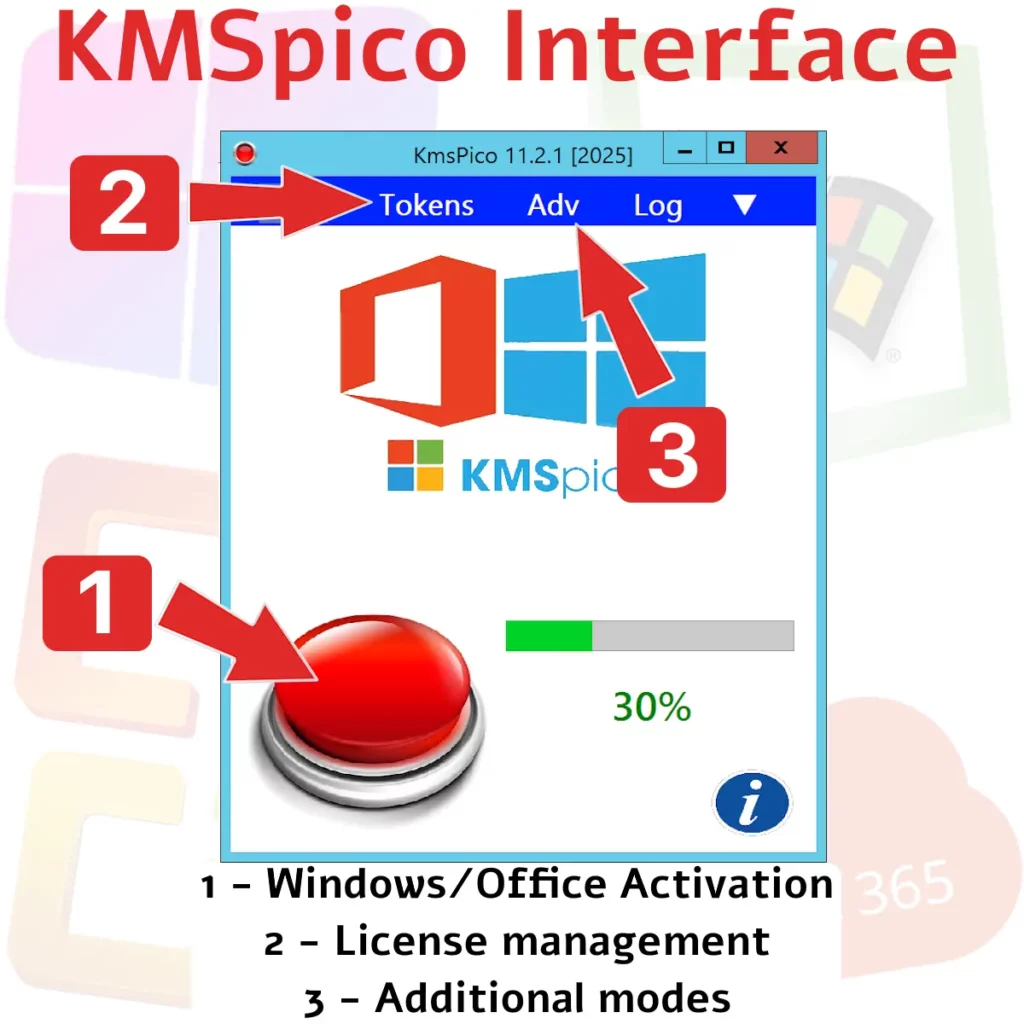
Tools like descargar KMSpico and KMS Pico are often mentioned alongside discussions on windows 7 activators. These tools automate the activation process but similarly face issues regarding legality and security. As an alternative for businesses, exploring volume licensing or securing proper product keys can be more sustainable strategies.
For organizations looking at long-term solutions, investing in genuine licenses provides not just peace of mind but also access to updates and support from Microsoft. This support is particularly important as new vulnerabilities are discovered; having legitimate activation ensures your systems are protected by official patches and updates.
Legal Implications of Using Unauthorized Activators
Using a windows 7 activator could expose you to legal risks including infringement claims by Microsoft. Software licenses safeguard against such issues by providing authorized use rights. It’s imperative to prioritize obtaining genuine product keys either through individual licenses or through legitimate volume licensing options.
The legal ramifications extend beyond potential fines or penalties; they also affect trust and reputation among clients and partners. Organizations found using unauthorized software might struggle with credibility issues which can impact business operations negatively.
Potential Security Risks Involved
Unauthorized windows 7 activators might compromise your computer’s security by introducing malware or other malicious software. Ensuring your system is protected should take precedence; thus, using verified activation methods can prevent these substantial risks.
The introduction of malware through unauthorized activators can result in data breaches which have far-reaching implications for any business entity. Protecting sensitive information should always be prioritized over short-term cost savings offered by illegitimate activation methods.
Activation Tools for Other Systems
- KMS Activator Windows 10: A legitimate avenue for activating Windows 10 within enterprises using KMS infrastructure.
- KMS Activator Office 2019: Helps activate Microsoft Office products under a legitimate KMS licensing agreement.
- Activation Office: A crucial step in maintaining compliance with Microsoft’s licensing requirements for business applications.
Technical Considerations and Command Tools
The deployment environment needs careful configuration when dealing with activators or legitimation commands like DISM (Deployment Imaging Service and Management). For instance, testing within lab constraints such as VM environments (e.g., VM with 2 vCPU / 4 GB RAM) ensures that any use does not disrupt critical systems before widespread deployment.
This approach not only minimizes risk but also allows IT teams to better understand how different systems interact with each other post-activation. Such knowledge is invaluable when planning large-scale deployments where reliability is paramount.
Sustainable Licensing Options
To avoid reliance on dubious tools like windows 7 activators, businesses should explore sustainable licensing options. Consider volume licenses that offer flexibility for organizations requiring multiple installations while ensuring compliance with Microsoft regulations.
Sustainable licensing models provide scalability which is crucial as businesses grow or change their operational requirements. This adaptability helps maintain alignment between technological needs and strategic objectives without compromising on compliance standards.
The Future Beyond Windows 7
As support for Windows 7 has officially ended, transitioning to newer operating systems backed by robust support policies is advisable. This shift also opens up opportunities for compliance with modern software license models that emphasize cloud integration and enhanced security features.
Transitioning away from obsolete systems toward more integrated platforms can lead to improved operational efficiency and enhanced security postures across organizational networks—benefits that far outweigh the temporary conveniences offered by unauthorized activators.
To conclude, while the allure of windows 7 activators might persist due to immediate access benefits, understanding their implications is crucial for maintaining long-term system integrity and legal compliance. Exploring legitimate pathways to software activation not only safeguards assets but also aligns with evolving technology demands.